
Gallagher eShepherd is putting precision grazing in motion with our Moving Fence™ technology, a world-first capability that continuously advances a virtual fenceline to release fresh pasture at a pace set by the farmer.
Unlike conventional break fencing, which gives cattle a new allocation of pasture in a single shift, the patent-pending Moving Fence technology creates a steadily advancing feed front. It opens new opportunities to improve pasture utilisation, support animal performance and manage grazing in wet conditions.
“Moving Fence takes virtual fencing to the next level, beyond automated break-feeding to precision pasture management,” says Sarah Adams, General Manager Strategy and New Ventures at Gallagher.
Designed for rotational, strip-grazing and regenerative systems, farmers set the distance, duration and speed, and the virtual fenceline advances automatically throughout the day and night. An optional trailing back fence keeps cattle off already-grazed pasture, helping protect regrowth and reduce pugging.
“It’s like a slow-moving pasture conveyor, continuously bringing fresh feed into reach rather than delivering it in separate blocks,” Ms Adams says. “By giving cattle a steady supply of fresh pasture, rather than larger amounts at intervals, we can use pasture more efficiently and support improved weight gains.”
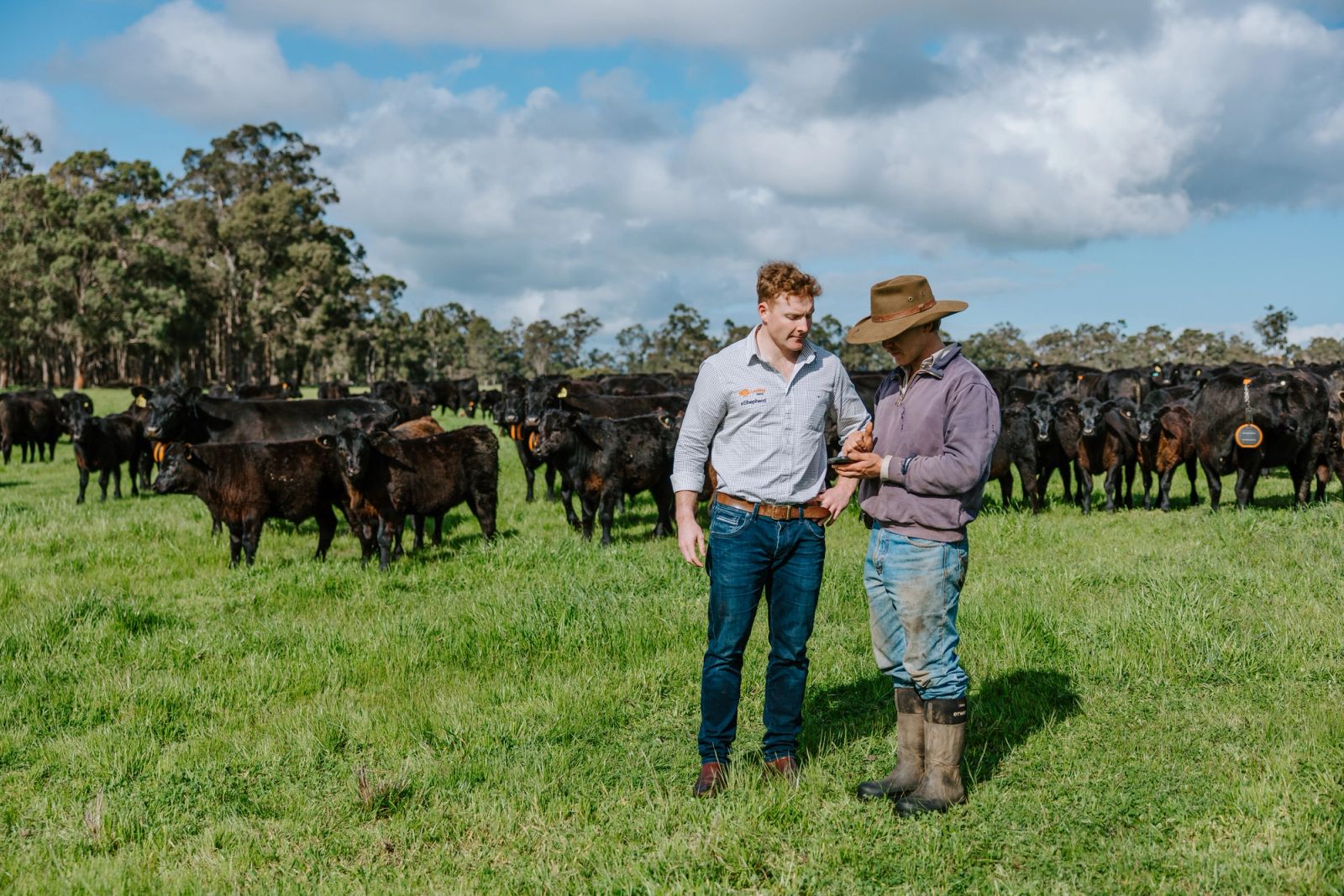
For Kent Rochester, who raises yearling cattle on grass near Albany in West Australia, the benefits of Moving Fence are immediately apparent.
“It's early days for us with Moving Fence, but I see a fair bit of upside already. It is the only true way we can work towards zero grass wastage. We are in spring flush here at the moment, and the grazing residuals have got away from us a bit. The cattle just end up lying on that grass. With Moving Fence we can control that better and really look to maximise the feed we have got, when we’ve got it.”
Ms Adams says Moving Fence has particular potential in wet-weather grazing, with the backing fence keeping cattle off already grazed ground to reduce pugging and help pasture regrowth.
“A steadier supply of fresh pasture could also help keep cattle more settled, particularly bulls, by reducing hunger-related restlessness and competition around feed allocations. Consistent access to adequate feed is also important in cold conditions, when cattle need more energy to keep warm.”
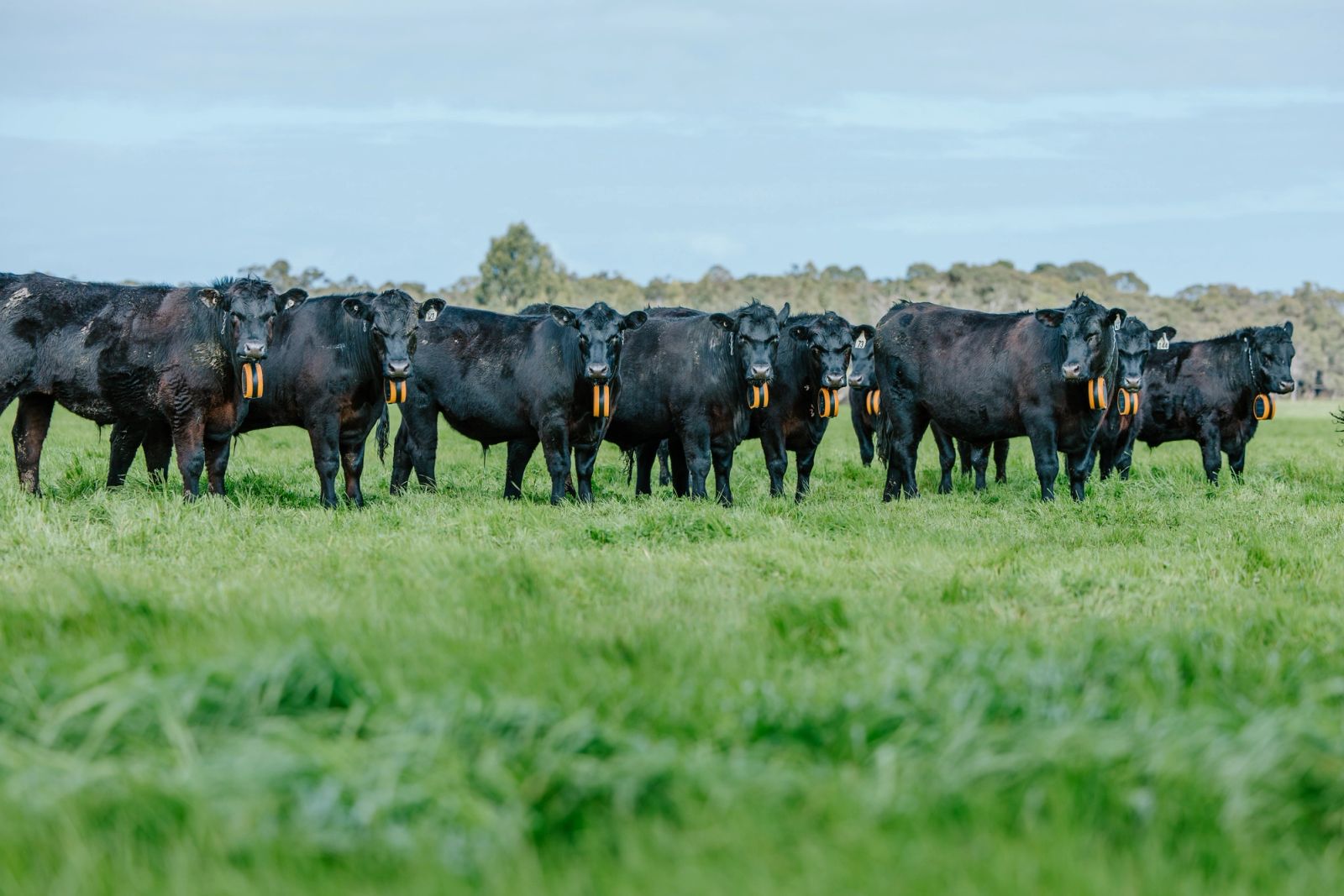
Ms Adams says farmers still decide how much pasture their animals need, how quickly the feed front advances and the residual they want to leave. Moving Fence gives them a more precise way to put those decisions into practice. Through a simple over-the-air system update, Moving Fence works with existing Gallagher eShepherd neckbands, paddock maps and the app, with no additional hardware or infrastructure required. That flexibility is central to how Gallagher eShepherd is designed to evolve over time.
“eShepherd started life at the CSIRO and was built for purpose from day one. Our approach is to continually evolve the intelligence inside the neckband, providing more value from the investment through regular over-the-air updates that add new capabilities and options for farmers,” Ms Adams says.
The next step is eShepherd Pasture, planned to enter beta trials in November 2026. It will provide automatically updated pasture insights within the Gallagher eShepherd app, connecting pasture information more closely with grazing decisions.
“Effective automation depends on timely, farm-specific information. Our vision is to connect pasture insight with grazing action, giving farmers better information and more control,” Ms Adams says.
Moving Fence is rolling out to eligible Gallagher eShepherd customers in stages from October 2026.