EVERY KILO OF FEED
Crops, stubbles and winter feed
Stubble, cover crops, dual-purpose cereals and winter forage. One field, two enterprises, and nothing to roll up at the end.
Listen to this article
Cropping country runs big fields. The boundary that suits a
After harvest a field carries weeks of feed value: spilled grain, leaf, regrowth, weed seeds you would rather not see germinate. Graze it as one block and the mob burns through it in three days and leaves the rest on the ground. So the stubble gets one uncontrolled graze, or none at all.
Strip the field in software.
Draw a break across a fifty-hectare stubble. Move the mob through it on a schedule. Make the break five hectares wide, or two, whatever suits the mob and the feed value. Redraw it tomorrow without driving out, without rolling tape, without putting a single
A field that used to deliver three days of grazing delivers weeks of structured grazing, and the cattle come off the day you decide, not the day someone has time to shift the fence.
Chilwell Farms at Condingup near Esperance crops wheat and canola across 50,000 hectares and runs 2,000 head of Angus alongside it. The cattle used to free-range 150-hectare paddocks, undergrazing some of it and hammering the rest with no time for regeneration.
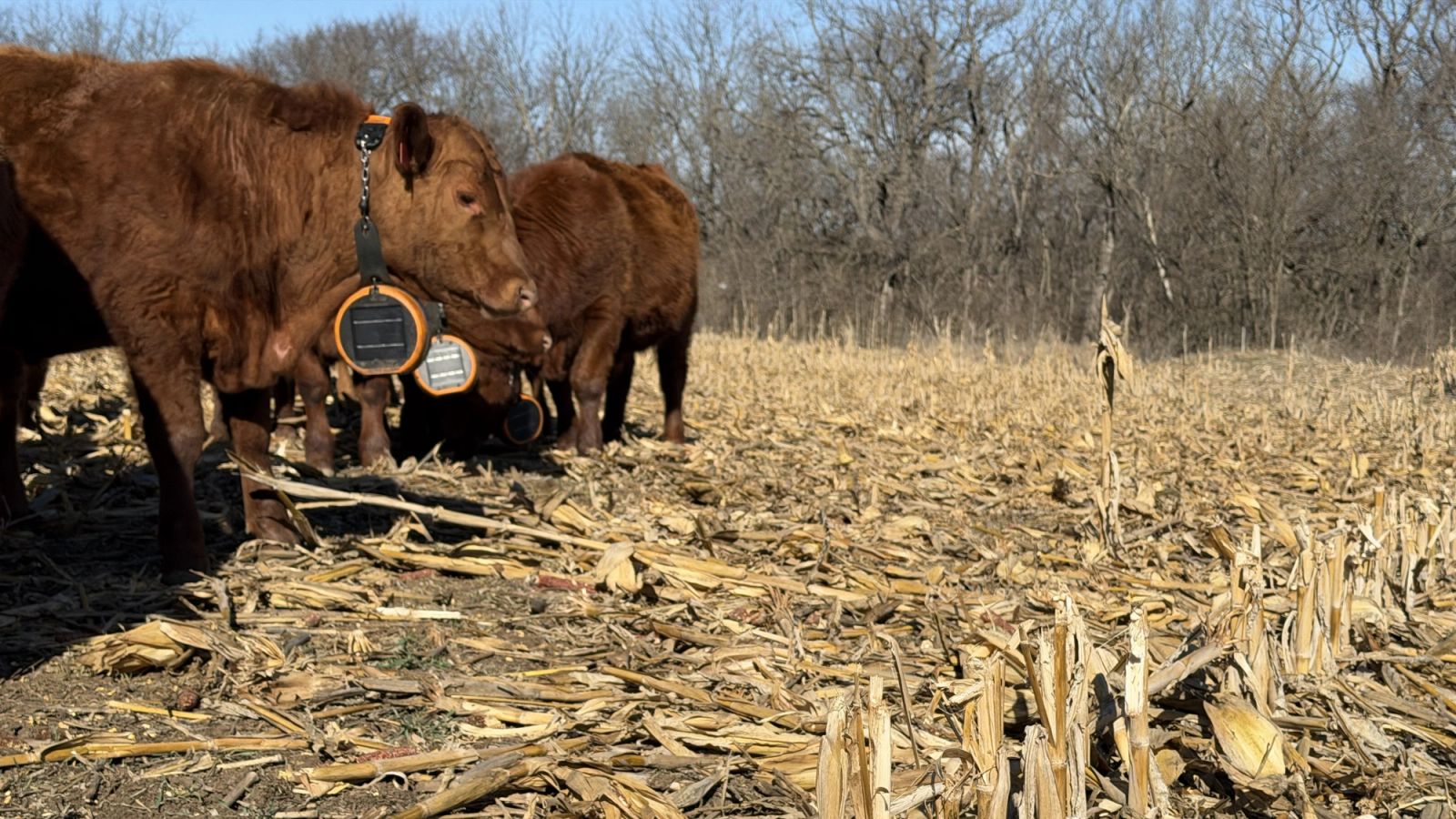
Simon Fowler now rotates mobs weekly through 50 to 60 hectare cells inside the same paddocks, with the lines drawn so the cattle keep access to the dams wherever they are. The mob was contained within five days of fitting the neckbands.
The sharpest example is the pen he did not build.
In a dry start, Simon put 500 steers on 8 hectares as a virtual confinement pen, running controlled feeding and deferring pasture at the same time. It saved the cost of building a physical one. He uses the same tool to fence off wet ground, under-germinated country and regenerating bush inside a paddock. His words for it: you just draw the line where the fence needs to go.
Intensive break feeding is the same job at a smaller scale. In South Canterbury, Nigel and Gina Gardner graze up to 800 dairy heifers plus bulls and steers across 350 hectares, in small mobs, because the growth rates their clients expect depend on it.
Nigel was moving up to twenty break fences a day. He started with 150 heifers on Gallagher eShepherd™ in October 2023, and the heifers understood the system inside half a day. Twenty break fences a day became zero.
On dual-purpose cereals the value is in the timing. A wheat or barley crop grazed in vegetative phase and lifted before stem elongation puts weight on cattle and holds grain yield. Agronomists have known that for decades. The operational problem was always knowing the day to lift them off, and being able to do it without two days of re-fencing.
Now the day the agronomist says lift them, you redraw the boundary. On winter forage the break holds even when the ground is sodden, because it does not depend on a
The same field. Two enterprises.
And nothing to roll up at the end.