MORE GRASS, SAME LAND
Rotational grazing
More subdivision, longer rest, more growth, more cattle. Every rotational grazier knows the maths. Gallagher eShepherd™ takes the fencing cost out of it.
Listen to this article
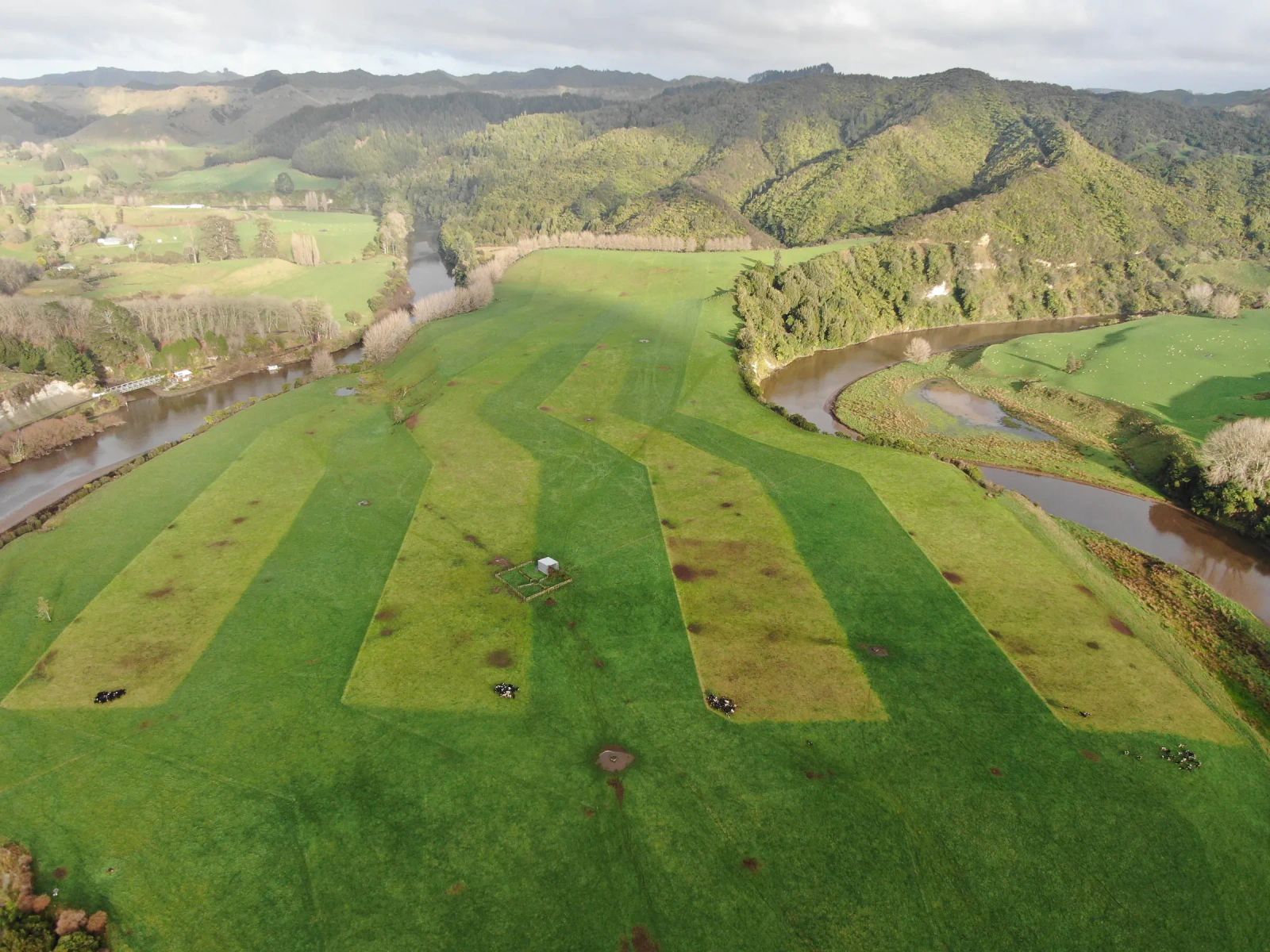
Farmers have run rotational grazing for generations. More subdivision, longer rest, more growth, more cattle. The operator knows the maths.
The constraint has always been the fencing. Every extra
Subdivide on the phone.
Draw the cells to fit what the country is doing, not what the fencelines carve up. Move the mob through them on schedule, from the next paddock or the next country. The cost of adding subdivision drops to zero, so the question stops being whether you can afford another cell and starts being what subdivision the country actually wants.
On steep Hawkes Bay hill country, Mathew and Gemma Barham schedule eight mobs to update at 6am and find them on the new break by 7am.
Timing is the other half of it. A rotation that runs on schedule produces consistent results. A rotation that runs late, because nobody could get out on the day the rest period closed, produces inconsistent ones, and across a season the slippage compounds.
George Hardwick-Smith runs 200 R1 bulls on a Taranaki river flat as ten mobs across 120 cells each. The shifts are drawn on a laptop and scheduled for the week. The whole week's fencing work takes about 40 minutes.
In the Wairarapa, Dion Kilmister was growing around 14 tonnes of feed and utilising 78% of it. The last fifth was walked in, fouled, or left behind the mob.
With virtual cells and live weight data, utilisation moved from 78% toward 95% on the same country in the same season. Nothing was bought. Nothing was built. The grass that was already there got eaten. That is what more from the same land looks like on a real farm.
Density is the lever most operations never get to pull, because the fencing makes it impossible.
At Bonnyville in Alberta, Nick Kunec moves about 300 animal units four times a day through half-acre paddocks, at 600,000 to 700,000 pounds per acre. The competition for forage makes the cattle graze evenly and eat a wider range of plants. Through five years of under ten inches of rainfall he intensified the best ground, rested the rest, and did not destock when his neighbours had to.
And the record writes itself. Every cell entry, every exit, every rest period, every return interval, logged per cell and per season.
The rotation that used to live in a manager's head and a notebook on the kitchen table becomes something you can show a buyer, a consultant, or yourself two seasons from now, when you are trying to work out why one cell finished steers and another did not. Set the return rule against cover rather than the calendar and the platform holds the mob off until the country is ready.
The rotation you wanted to run.
Finally the rotation you can run.